
Category: Health & Wellness
Introduction
Preventive healthcare is one of the most effective ways to maintain good health and reduce the risk of serious illnesses. Instead of waiting until symptoms appear, preventive care focuses on early detection, healthy lifestyle choices, and regular medical checkups to help people stay healthy throughout their lives.
Many chronic conditions, such as heart disease, type 2 diabetes, and high blood pressure, can often be prevented or better managed through healthy habits and timely medical care. This article explains why preventive healthcare matters, its key components, and practical steps you can take to protect your long-term health.
What Is Preventive Healthcare?
Preventive healthcare includes medical services and healthy lifestyle practices designed to prevent disease or detect health problems at an early stage.
Examples include:
- Regular health checkups
- Vaccinations
- Health screenings
- Healthy eating
- Regular exercise
- Stress management
- Maintaining a healthy weight
The goal is to improve quality of life and reduce the need for costly medical treatments in the future.
Why Preventive Healthcare Is Important
Preventive care offers numerous health benefits, including:
- Early detection of diseases
- Better treatment outcomes
- Reduced healthcare costs
- Improved quality of life
- Increased life expectancy
- Better management of chronic conditions
Small, consistent actions today can help prevent larger health problems tomorrow.
Regular Health Checkups
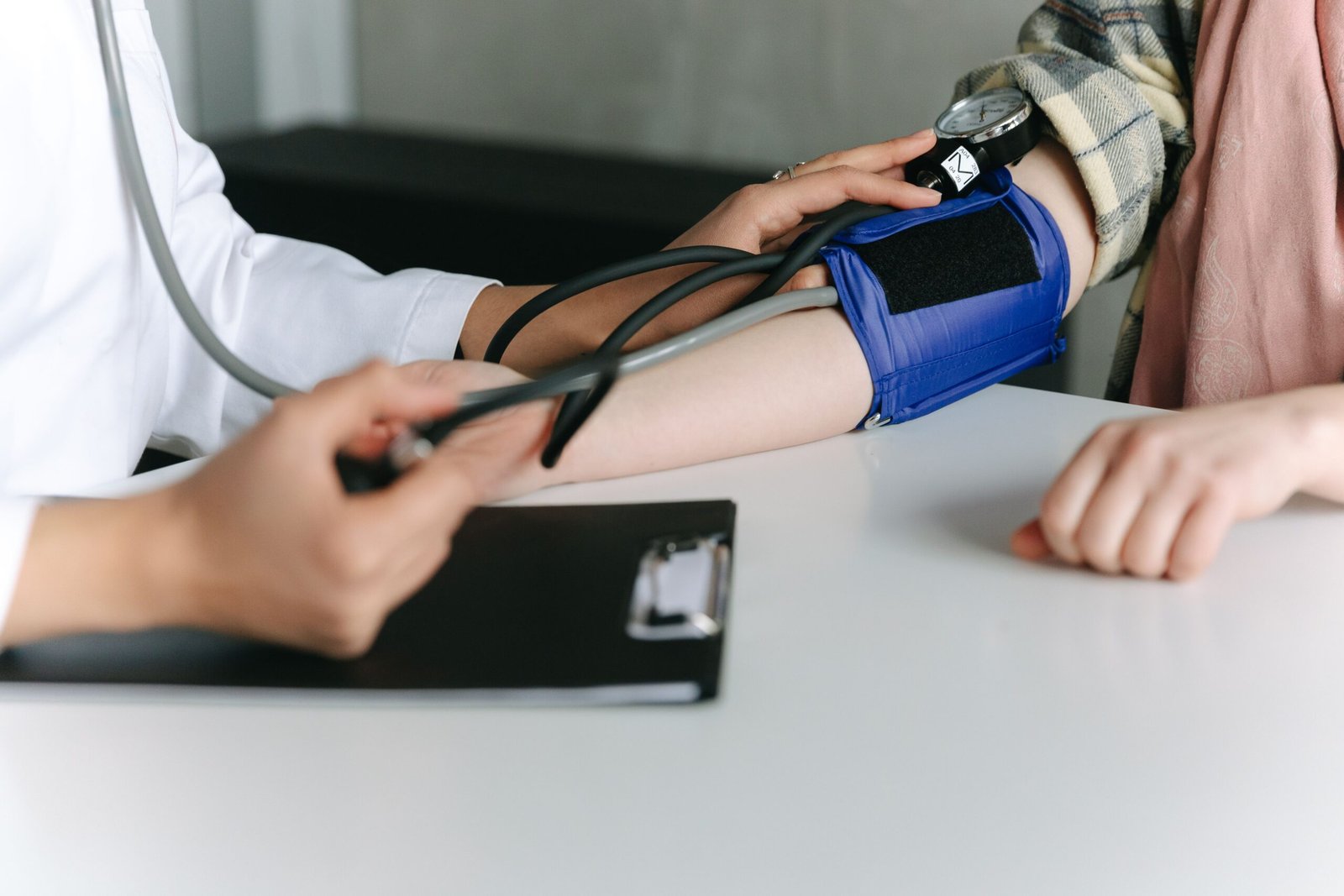
Routine medical examinations allow healthcare providers to monitor your overall health and identify potential concerns before they become serious.
Common health screenings may include:
- Blood pressure measurement
- Blood sugar testing
- Cholesterol screening
- Vision and hearing exams
- Dental checkups
- Routine physical examinations
Your healthcare provider can recommend appropriate screening schedules based on your age, sex, and medical history.
Eat a Balanced Diet
Good nutrition plays a vital role in disease prevention.
A healthy diet should include:
- Fresh fruits
- Vegetables
- Whole grains
- Lean proteins
- Healthy fats
- Low-fat dairy products
Try to limit:
- Sugary drinks
- Processed foods
- Excess salt
- Trans fats
Healthy eating supports heart health, immune function, and overall well-being.
Stay Physically Active
Regular exercise helps prevent many chronic diseases.
Benefits include:
- Better cardiovascular health
- Stronger muscles and bones
- Improved mental health
- Weight management
- Better sleep
- Increased energy
Aim for at least 150 minutes of moderate-intensity physical activity each week, along with muscle-strengthening activities on two or more days.
Get Enough Sleep
Sleep is essential for physical and mental health.
Adults generally need 7–9 hours of quality sleep each night.
Good sleep supports:
- Memory and concentration
- Immune function
- Hormone balance
- Emotional well-being
- Recovery and healing
Create a consistent sleep routine by going to bed and waking up at the same time each day.
Manage Stress
Chronic stress can contribute to several health problems, including high blood pressure, anxiety, and poor sleep.
Healthy stress-management techniques include:
- Meditation
- Deep breathing exercises
- Yoga
- Spending time in nature
- Reading
- Talking with supportive friends or family
Making time for relaxation is an important part of preventive healthcare.
Avoid Harmful Habits
Certain lifestyle habits increase the risk of serious diseases.
For better long-term health:
- Avoid smoking and tobacco products.
- Limit alcohol consumption according to medical guidelines.
- Avoid recreational drug use.
- Practice safe driving by wearing seat belts.
- Use sunscreen when spending time outdoors.
Reducing these risks can improve both lifespan and quality of life.
Stay Up to Date with Vaccinations
Vaccines help protect against many infectious diseases.
Follow the vaccination schedule recommended by your healthcare provider, which may include vaccines for:
- Influenza (flu)
- COVID-19 (as recommended)
- Tetanus
- Hepatitis
- Shingles (for eligible adults)
- Pneumococcal disease (for eligible groups)
Vaccination recommendations vary based on age, health conditions, and location.
Mental Health Matters
Preventive healthcare also includes caring for your mental well-being.
Support your mental health by:
- Staying socially connected
- Exercising regularly
- Getting enough sleep
- Practicing mindfulness
- Seeking professional help if you experience persistent anxiety, depression, or emotional distress
Mental and physical health are closely connected.
Daily Preventive Health Habits
Simple daily actions can make a big difference:
- Drink enough water.
- Eat nutritious meals.
- Exercise regularly.
- Sleep well.
- Wash your hands frequently.
- Brush and floss your teeth.
- Maintain a healthy weight.
- Schedule routine medical checkups.
Consistency is key to building lifelong healthy habits.
Conclusion
Preventive healthcare is one of the best investments you can make in your future. By focusing on healthy lifestyle choices, regular medical checkups, vaccinations, and stress management, you can reduce your risk of illness and enjoy a healthier, more active life.