Category: Fitness & Mental Wellness
Introduction
Staying fit doesn’t always require an expensive gym membership or fancy equipment. Home workouts have become increasingly popular because they are convenient, affordable, and effective for people of all fitness levels. Whether your goal is to lose weight, build strength, improve flexibility, or simply stay active, exercising at home can help you achieve lasting results.
The key to success is consistency, proper technique, and choosing exercises that match your fitness level. This guide will teach you how to start a home workout routine, the benefits of exercising at home, and simple exercises you can perform with little or no equipment.
Benefits of Home Workouts
Working out at home offers several advantages:
- Saves time and money
- No gym membership required
- Flexible workout schedule
- Comfortable environment
- Suitable for beginners
- Easy to stay consistent
- Can improve both physical and mental health
Home workouts also eliminate travel time, making it easier to fit exercise into a busy day.
How Often Should You Exercise?
For most healthy adults, experts recommend:
- 150 minutes of moderate-intensity exercise per week, or
- 75 minutes of vigorous-intensity exercise per week
Include muscle-strengthening exercises at least two days per week and allow time for recovery between intense sessions.
Warm-Up Before Every Workout
A proper warm-up prepares your muscles and joints for exercise and may help reduce the risk of injury.
Spend 5–10 minutes doing activities such as:
- Marching in place
- Arm circles
- Shoulder rolls
- Hip rotations
- Light jogging
- Dynamic leg swings
Never skip your warm-up.
Essential Home Exercises
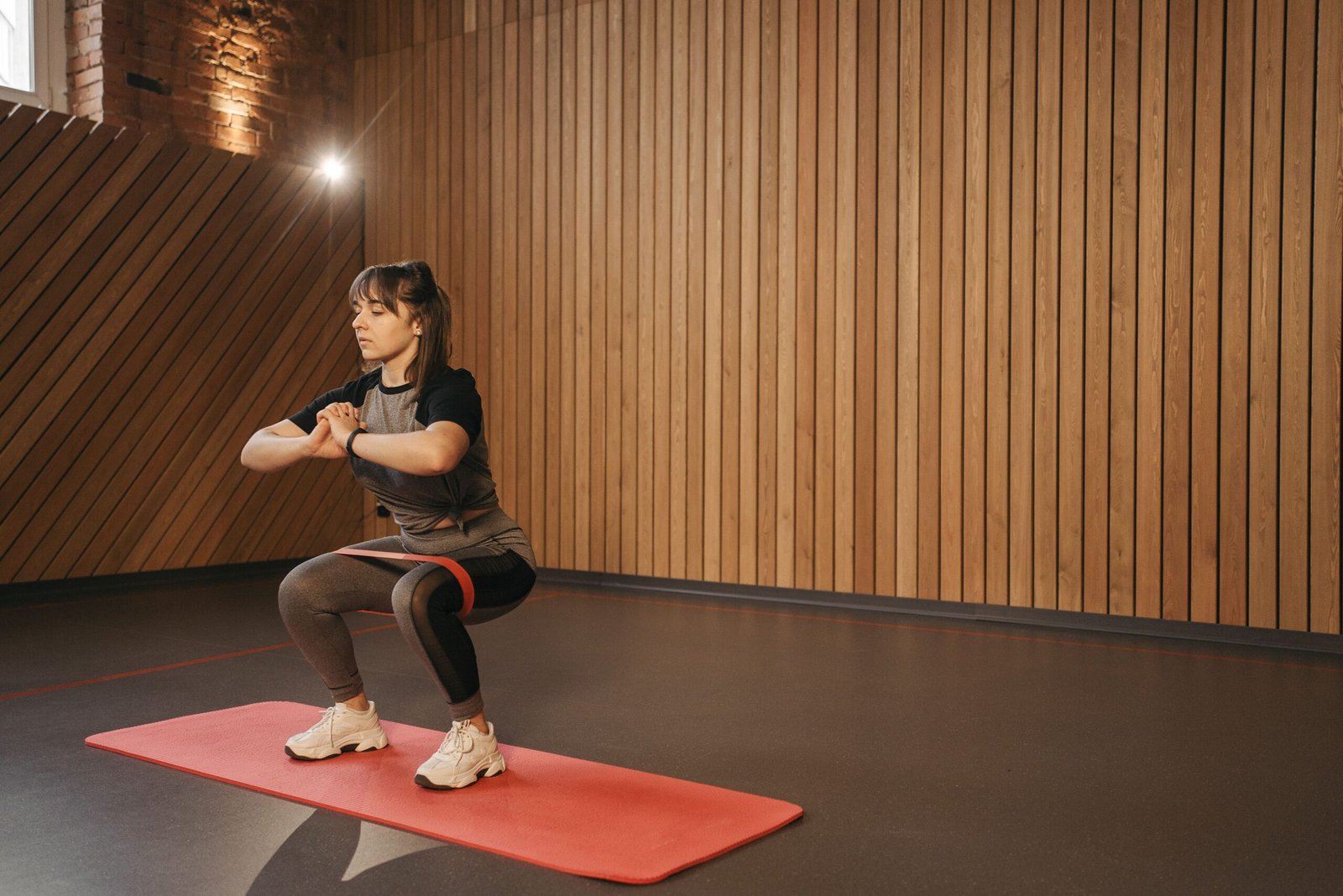
1. Bodyweight Squats
Squats strengthen the legs and glutes.
Benefits:
- Improves lower-body strength
- Supports balance
- Builds endurance
Recommended: 3 sets of 10–15 repetitions
2. Push-Ups
Push-ups target the chest, shoulders, arms, and core.
Beginners can start with knee push-ups or wall push-ups.
Recommended: 3 sets of 8–12 repetitions
3. Plank
The plank is an excellent exercise for core stability.
Benefits:
- Strengthens abdominal muscles
- Improves posture
- Supports lower back health
Hold for 20–60 seconds.
4. Lunges
Lunges strengthen the legs while improving balance and coordination.
Recommended: 10–12 repetitions per leg
5. Glute Bridges
Glute bridges strengthen the hips, glutes, and lower back.
Recommended: 3 sets of 15 repetitions
6. Jumping Jacks
A simple cardio exercise that raises your heart rate.
Benefits:
- Improves endurance
- Burns calories
- Increases circulation
Perform for 30–60 seconds.
Sample Beginner Home Workout
Warm-Up (5 Minutes)
- March in place
- Arm circles
- Leg swings
Main Workout
- Squats × 15
- Push-Ups × 10
- Lunges × 10 each leg
- Plank × 30 seconds
- Glute Bridges × 15
- Jumping Jacks × 30 seconds
Repeat the circuit 2–3 times, depending on your fitness level.
Cool Down
Finish with gentle stretching for:
- Hamstrings
- Quadriceps
- Chest
- Shoulders
- Back
Stretch for 5–10 minutes to improve flexibility and reduce muscle tightness.
Nutrition for Fitness
Exercise works best when combined with healthy eating.
Focus on:
- Lean protein
- Whole grains
- Fruits
- Vegetables
- Healthy fats
- Plenty of water
Eating balanced meals supports recovery and provides energy for workouts.
Common Beginner Mistakes
Avoid these common errors:
- Skipping warm-ups
- Using poor exercise form
- Exercising every day without rest
- Ignoring hydration
- Expecting instant results
- Comparing yourself to others
Progress takes time and consistency.
Staying Motivated
Maintain your fitness routine by:
- Setting realistic goals
- Tracking your progress
- Scheduling workouts
- Listening to motivating music
- Exercising with family or friends
- Celebrating small achievements
Building a habit is more important than achieving perfection.
Mental Health Benefits of Exercise
Regular physical activity doesn’t just improve your body—it also supports your mind.
Exercise can help:
- Reduce stress
- Improve mood
- Increase energy
- Enhance sleep quality
- Boost self-confidence
- Improve focus and concentration
Even a short daily workout can have positive effects on mental well-being.
Conclusion
Home workouts are a practical and effective way to improve your fitness, regardless of your experience level. By combining regular exercise with healthy nutrition, proper rest, and consistency, you can build strength, improve cardiovascular health, and support your mental well-being.