
Category: Health & Wellness
Introduction
A healthy lifestyle is more than just eating nutritious foods or exercising occasionally. It is a combination of daily habits that support your physical, mental, and emotional well-being. Small, consistent changes in your routine can lead to significant improvements in your overall health, energy levels, and quality of life.
Many modern health problems, such as obesity, heart disease, type 2 diabetes, and chronic stress, are closely linked to lifestyle choices. The good news is that adopting healthier habits can reduce your risk of these conditions and help you enjoy a longer, more active life.
This guide explores the essential components of a healthy lifestyle and provides practical tips you can incorporate into your daily routine.
What Is a Healthy Lifestyle?
A healthy lifestyle is a way of living that promotes overall well-being and helps prevent disease. It involves making positive choices in areas such as nutrition, physical activity, sleep, stress management, and preventive healthcare.
Key elements include:
- Balanced nutrition
- Regular physical activity
- Quality sleep
- Proper hydration
- Stress management
- Healthy relationships
- Avoiding harmful habits
- Routine medical checkups
A healthy lifestyle is about consistency rather than perfection.
Eat a Balanced Diet
Good nutrition provides your body with the energy and nutrients it needs to function properly.
Focus on eating:
- Fresh fruits and vegetables
- Whole grains
- Lean proteins
- Healthy fats
- Low-fat dairy products
- Fiber-rich foods
Limit foods high in:
- Added sugar
- Saturated fat
- Trans fat
- Sodium
- Highly processed ingredients
Healthy eating supports heart health, brain function, and a strong immune system.
Stay Physically Active
Exercise benefits nearly every part of your body.
Regular physical activity can:
- Improve cardiovascular health
- Strengthen muscles and bones
- Support weight management
- Boost mood
- Increase energy
- Improve sleep quality
Health experts recommend at least 150 minutes of moderate-intensity exercise per week, along with strength-training exercises on two or more days.
Activities may include:
- Walking
- Cycling
- Swimming
- Yoga
- Dancing
- Strength training
Prioritize Quality Sleep
Sleep is essential for recovery, memory, and overall health.
Adults should aim for 7–9 hours of quality sleep each night.
To improve sleep:
- Maintain a regular bedtime.
- Avoid screens before bed.
- Keep your bedroom cool and quiet.
- Limit caffeine late in the day.
Good sleep supports both physical and mental well-being.
Stay Hydrated
Water is essential for many body functions, including digestion, circulation, and temperature regulation.
Tips for staying hydrated:
- Drink water regularly throughout the day.
- Carry a reusable water bottle.
- Eat water-rich fruits and vegetables.
- Increase fluid intake during hot weather or exercise.
Proper hydration helps maintain energy and supports overall health.
Manage Stress Effectively
Long-term stress can affect both physical and mental health.
Healthy ways to reduce stress include:
- Meditation
- Deep breathing exercises
- Yoga
- Journaling
- Listening to music
- Spending time with loved ones
- Enjoying hobbies
Managing stress can improve mood, focus, and sleep quality.
Maintain Strong Social Connections
Positive relationships contribute to emotional well-being.
Stay connected by:
- Spending time with family
- Meeting friends regularly
- Joining community activities
- Participating in volunteer work
Social support can reduce stress and improve overall happiness.
Avoid Harmful Habits
Certain behaviors increase the risk of chronic diseases.
For better health:
- Do not smoke or use tobacco products.
- Limit alcohol consumption according to medical guidelines.
- Avoid recreational drug use.
- Practice safe driving.
- Protect your skin from excessive sun exposure.
Replacing unhealthy habits with positive ones can significantly improve long-term health.
Schedule Preventive Health Checkups
Regular medical care helps detect potential health issues early.
Important preventive services may include:
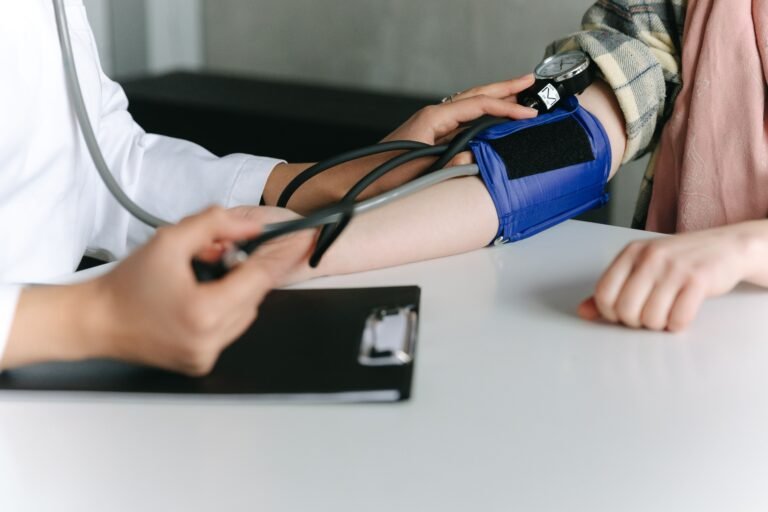
- Blood pressure checks
- Cholesterol screening
- Blood sugar testing
- Dental exams
- Eye examinations
- Recommended vaccinations
Talk with your healthcare provider about the screenings appropriate for your age and health history.
Set Realistic Health Goals
Building a healthy lifestyle takes time.
Start with small, achievable goals, such as:
- Walking for 30 minutes a day
- Drinking more water
- Eating one extra serving of vegetables
- Going to bed earlier
- Reducing sugary drinks
Celebrating small successes can help you stay motivated.
Common Mistakes to Avoid
Many people struggle because they:
- Expect instant results
- Skip meals
- Ignore sleep
- Exercise inconsistently
- Follow extreme diets
- Give up after setbacks
Focus on steady progress rather than perfection.
Benefits of a Healthy Lifestyle
Adopting healthy habits can lead to:
- Increased energy
- Better heart health
- Improved mental well-being
- Stronger immune function
- Healthy weight management
- Reduced risk of chronic diseases
- Better sleep
- Longer life expectancy
These benefits often build gradually over time.
Conclusion
A healthy lifestyle is one of the most valuable investments you can make in yourself. By eating nutritious foods, staying active, getting enough sleep, managing stress, and attending regular health checkups, you can improve your overall well-being and reduce your risk of many chronic diseases.