Category: Fitness & Mental Wellness
Introduction
In today’s fast-paced world, stress, anxiety, and physical inactivity have become common challenges. Yoga and meditation are two powerful practices that promote both physical fitness and mental well-being. They have been practiced for thousands of years and are now supported by modern research for their positive effects on overall health.
Whether your goal is to improve flexibility, reduce stress, sleep better, or simply find more balance in your daily life, yoga and meditation can help. The best part is that you don’t need expensive equipment or advanced skills to get started.
This guide explains the benefits of yoga and meditation, beginner-friendly techniques, and practical tips for making them part of your daily routine.
What Is Yoga?
Yoga is a mind-body practice that combines physical postures (poses), breathing exercises, and mindfulness.
Regular yoga practice can help improve:
- Flexibility
- Balance
- Muscle strength
- Posture
- Breathing
- Relaxation
Yoga is suitable for people of all ages and fitness levels.
What Is Meditation?
Meditation is the practice of focusing your attention to promote mental clarity, emotional balance, and relaxation.
There are many forms of meditation, including:
- Mindfulness meditation
- Guided meditation
- Loving-kindness meditation
- Breathing meditation
- Body scan meditation
Even a few minutes of meditation each day can have lasting benefits.
Physical Benefits of Yoga
1. Improves Flexibility
Regular stretching helps increase flexibility and reduce muscle stiffness.
Better flexibility may improve mobility and support everyday activities.
2. Builds Strength
Many yoga poses use your body weight to strengthen muscles.
Areas commonly strengthened include:
- Core
- Legs
- Arms
- Back
- Shoulders
3. Improves Balance
Balance exercises become increasingly important with age.
Yoga helps improve coordination, stability, and body awareness.
4. Supports Heart Health
Gentle physical activity and stress reduction can contribute to overall cardiovascular health.
Yoga may also encourage healthier lifestyle habits.
5. Helps Reduce Back Pain
Certain yoga stretches can improve posture, strengthen supporting muscles, and reduce tension that contributes to back discomfort.
People with chronic pain should consult a healthcare professional before beginning a new exercise program.
Mental Health Benefits of Meditation
Reduces Stress
Meditation encourages relaxation and helps calm the mind.
Regular practice may help you respond more effectively to everyday stress.
Improves Focus
Mindfulness meditation trains your attention, helping improve concentration and productivity.
Supports Emotional Well-Being
Meditation promotes self-awareness and emotional balance.
Many people report feeling calmer and more positive after regular practice.
Improves Sleep
Relaxation techniques before bedtime can make it easier to unwind and support better sleep quality.
Beginner-Friendly Yoga Poses
If you’re new to yoga, start with simple poses such as:
Mountain Pose
- Improves posture
- Enhances balance
- Builds body awareness
Child’s Pose
- Gently stretches the back and hips
- Promotes relaxation
- Suitable for most beginners
Cat-Cow Stretch
- Improves spinal mobility
- Relieves back stiffness
- Coordinates movement with breathing
Downward-Facing Dog
- Strengthens the upper body
- Stretches the legs and back
- Improves flexibility
Cobra Pose
- Opens the chest
- Strengthens the back
- Improves posture
Move slowly and avoid forcing any stretch beyond your comfort level.
Simple Meditation Routine
A beginner meditation session can be as short as 5–10 minutes.
Steps:
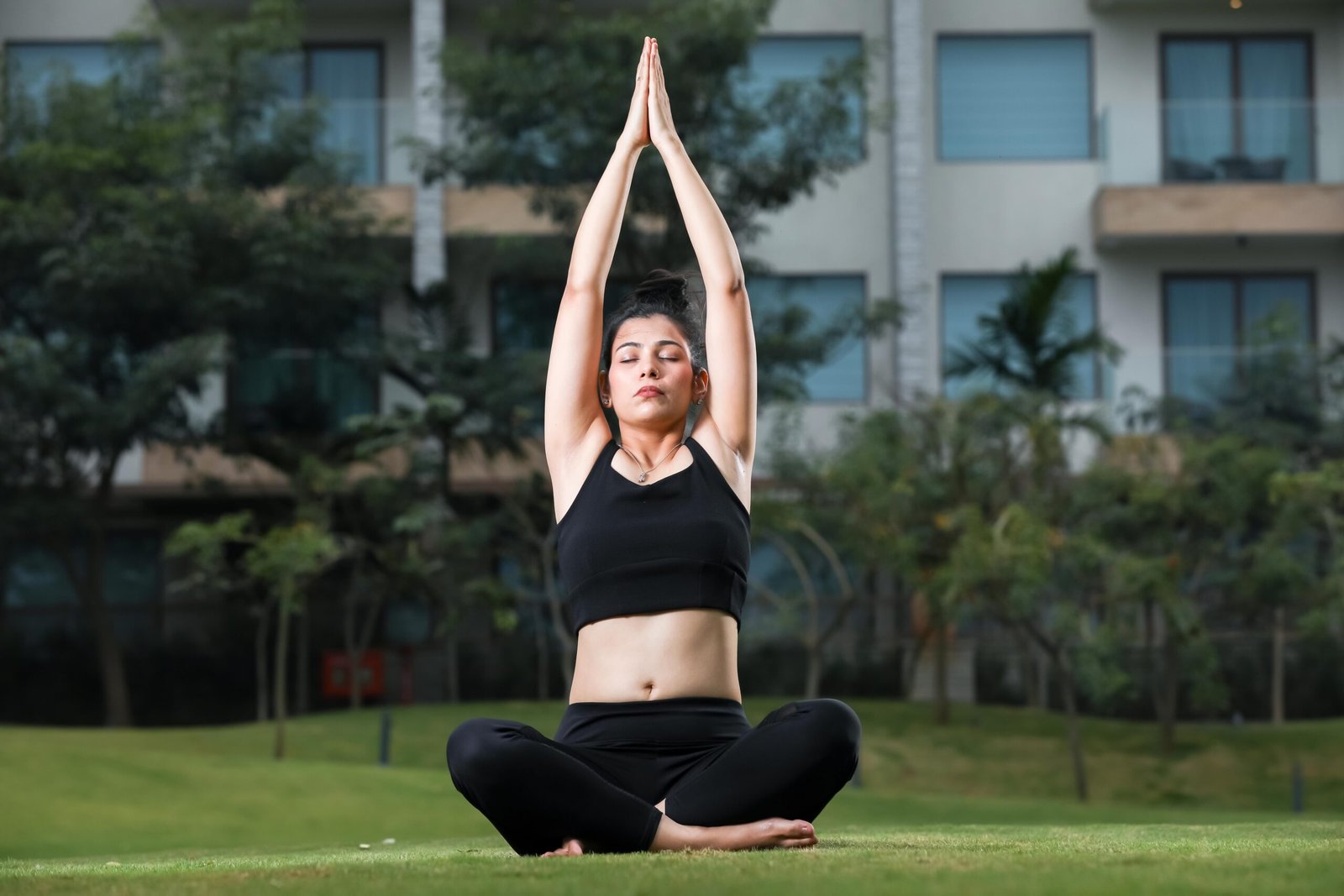
- Sit comfortably in a quiet place.
- Close your eyes or soften your gaze.
- Breathe slowly and naturally.
- Focus on your breath.
- If your mind wanders, gently return your attention to your breathing.
- Finish with a few deep breaths before opening your eyes.
Consistency is more important than duration.
Tips for Building a Routine
To make yoga and meditation part of your daily life:
- Practice at the same time each day.
- Wear comfortable clothing.
- Choose a quiet environment.
- Start with short sessions.
- Be patient with yourself.
- Focus on progress, not perfection.
Small daily sessions are more effective than occasional long sessions.
Common Mistakes to Avoid
Beginners often make these mistakes:
- Skipping the warm-up
- Holding the breath during poses
- Comparing themselves to others
- Forcing difficult positions
- Expecting immediate results
- Practicing inconsistently
Listen to your body and progress gradually.
Combining Yoga with a Healthy Lifestyle
Yoga and meditation work best when combined with other healthy habits:
- Eat a balanced diet.
- Stay hydrated.
- Exercise regularly.
- Get enough sleep.
- Spend time outdoors.
- Maintain social connections.
A holistic approach supports both physical and mental wellness.
Conclusion
Yoga and meditation are simple yet powerful practices that can improve flexibility, strength, balance, focus, and emotional well-being. Whether you are looking to reduce stress, improve fitness, or create a healthier lifestyle, these practices offer long-term benefits when performed consistently.