
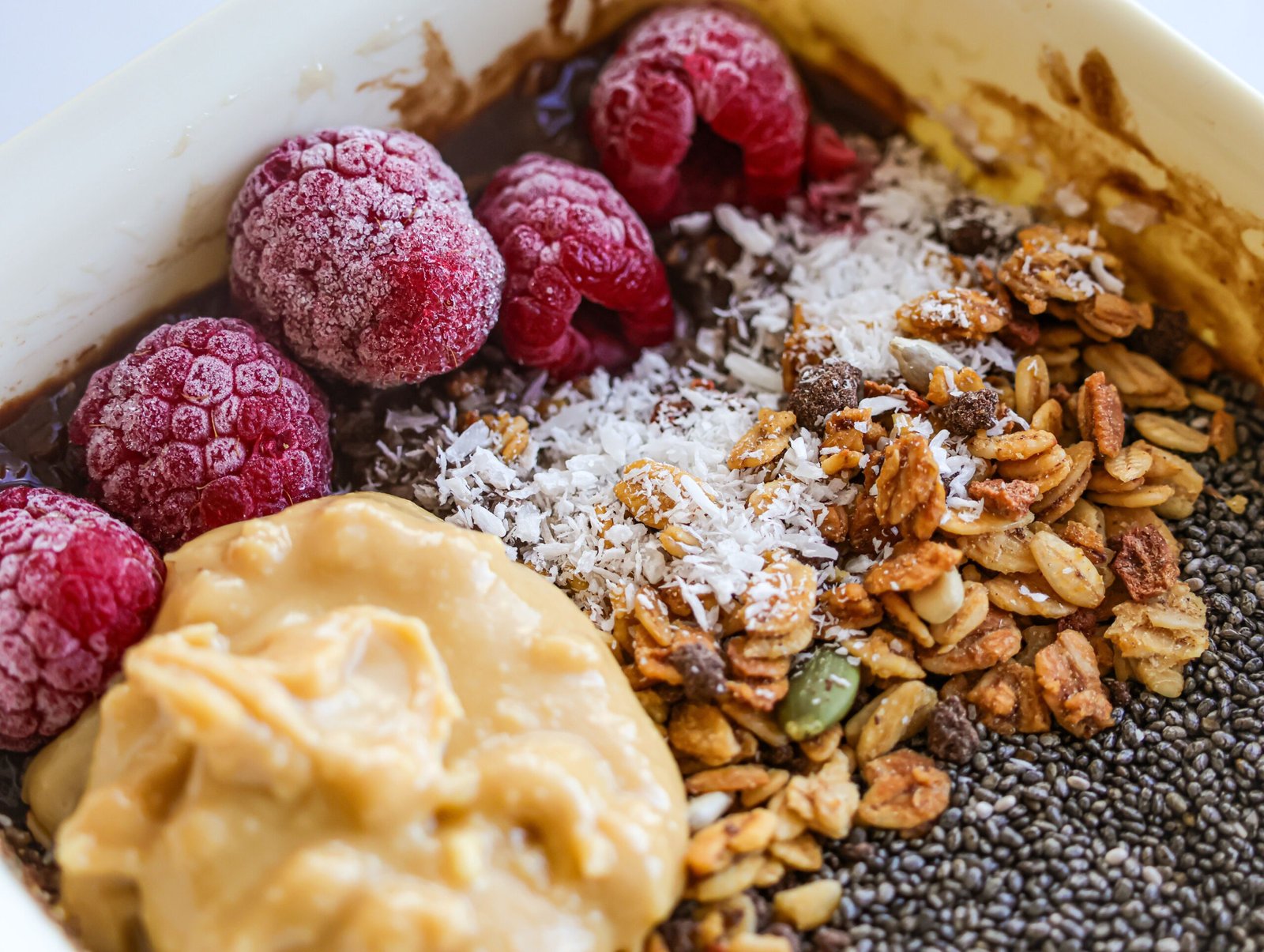
Category: Nutrition & Healthy Diet
Introduction
A healthy diet is one of the most effective ways to improve your overall well-being, and incorporating nutrient-rich superfoods into your meals is a simple step toward better health. Superfoods are natural foods packed with vitamins, minerals, antioxidants, healthy fats, and fiber that support your body’s essential functions.
While no single food can prevent disease or replace a balanced diet, regularly eating a variety of superfoods can help strengthen your immune system, improve heart health, boost energy levels, and support healthy aging.
In this guide, we’ll explore 15 of the best superfoods you can include in your daily diet and the health benefits they offer.
What Are Superfoods?
Superfoods are foods that are especially rich in nutrients and beneficial plant compounds. They often contain high levels of antioxidants, vitamins, minerals, and healthy fats that contribute to overall health.
Benefits of superfoods include:
- Supporting heart health
- Strengthening the immune system
- Improving digestion
- Reducing inflammation
- Promoting healthy skin
- Increasing energy levels
The key is to include a variety of these foods as part of a balanced diet.
1. Blueberries
Blueberries are packed with antioxidants, particularly anthocyanins, which help protect cells from damage.
Benefits
- Supports brain health
- Promotes heart health
- Rich in Vitamin C
- High in fiber
2. Spinach
Spinach is a leafy green loaded with essential nutrients.
Benefits
- High in iron
- Rich in Vitamin K
- Supports bone health
- Contains antioxidants
Enjoy spinach in salads, smoothies, or cooked dishes.
3. Salmon
Salmon is an excellent source of omega-3 fatty acids and high-quality protein.
Benefits
- Supports heart health
- Promotes brain function
- Helps reduce inflammation
- Rich in Vitamin D
Choose grilled or baked salmon instead of fried.
4. Avocados
Avocados provide healthy monounsaturated fats that support cardiovascular health.
Benefits
- Good source of healthy fats
- High in potassium
- Supports healthy skin
- Helps you feel full longer
5. Greek Yogurt
Greek yogurt is rich in protein and probiotics.
Benefits
- Supports gut health
- Aids digestion
- High in calcium
- Helps maintain muscle mass
Choose plain varieties with little or no added sugar.
6. Nuts
Almonds, walnuts, pistachios, and cashews are nutritious snack options.
Benefits
- Healthy fats
- Plant-based protein
- Vitamin E
- Supports heart health
Eat in moderation due to their calorie content.
7. Chia Seeds
These tiny seeds are packed with nutrients.
Benefits
- Rich in omega-3 fatty acids
- High in fiber
- Good source of protein
- Supports digestion
Add chia seeds to yogurt, smoothies, or oatmeal.
8. Oats
Oats are an excellent whole grain.
Benefits
- High in soluble fiber
- Helps support healthy cholesterol levels
- Keeps you feeling full
- Provides steady energy
9. Sweet Potatoes
Sweet potatoes are rich in vitamins and complex carbohydrates.
Benefits
- High in Vitamin A
- Good source of fiber
- Supports eye health
- Provides long-lasting energy
10. Broccoli
Broccoli is one of the most nutritious vegetables.
Benefits
- Rich in Vitamin C
- Contains fiber
- Supports immune health
- Provides antioxidants
Steam broccoli lightly to help preserve nutrients.
11. Eggs
Eggs are a complete source of protein.
Benefits
- Supports muscle health
- Rich in Vitamin B12
- Contains choline for brain function
- Affordable and versatile
12. Green Tea
Green tea contains natural antioxidants called catechins.
Benefits
- Supports heart health
- Helps with hydration
- Contains natural plant compounds
- May improve focus due to moderate caffeine content
13. Garlic
Garlic has been used in cooking and traditional diets for centuries.
Benefits
- Rich in beneficial plant compounds
- Supports immune health
- Adds flavor without extra calories
14. Beans and Lentils
Legumes are affordable, nutritious, and filling.
Benefits
- High in plant protein
- Rich in fiber
- Supports digestive health
- Helps maintain healthy blood sugar levels
15. Oranges
Oranges are a popular source of Vitamin C.
Benefits
- Supports immune function
- Helps with hydration
- Rich in antioxidants
- Good source of dietary fiber
Tips for Including Superfoods in Your Diet
Simple ways to enjoy more superfoods include:
- Add berries to your breakfast.
- Include leafy greens in salads.
- Snack on a handful of nuts.
- Replace refined grains with oats.
- Eat fish twice a week.
- Add beans to soups and salads.
- Drink water instead of sugary beverages.
Small changes can make a lasting difference.
Common Myths About Superfoods
Some misconceptions include:
- Superfoods cannot replace a balanced diet.
- Eating one superfood alone will not prevent disease.
- Expensive foods are not always healthier.
- Variety is more important than focusing on a single “miracle” food.
A healthy eating pattern is built on balance and consistency.
Conclusion
Superfoods are an excellent addition to a healthy lifestyle because they provide essential nutrients that support overall health. By including foods like blueberries, spinach, salmon, oats, nuts, and legumes in your meals, you can improve your nutrition and promote long-term well-being.