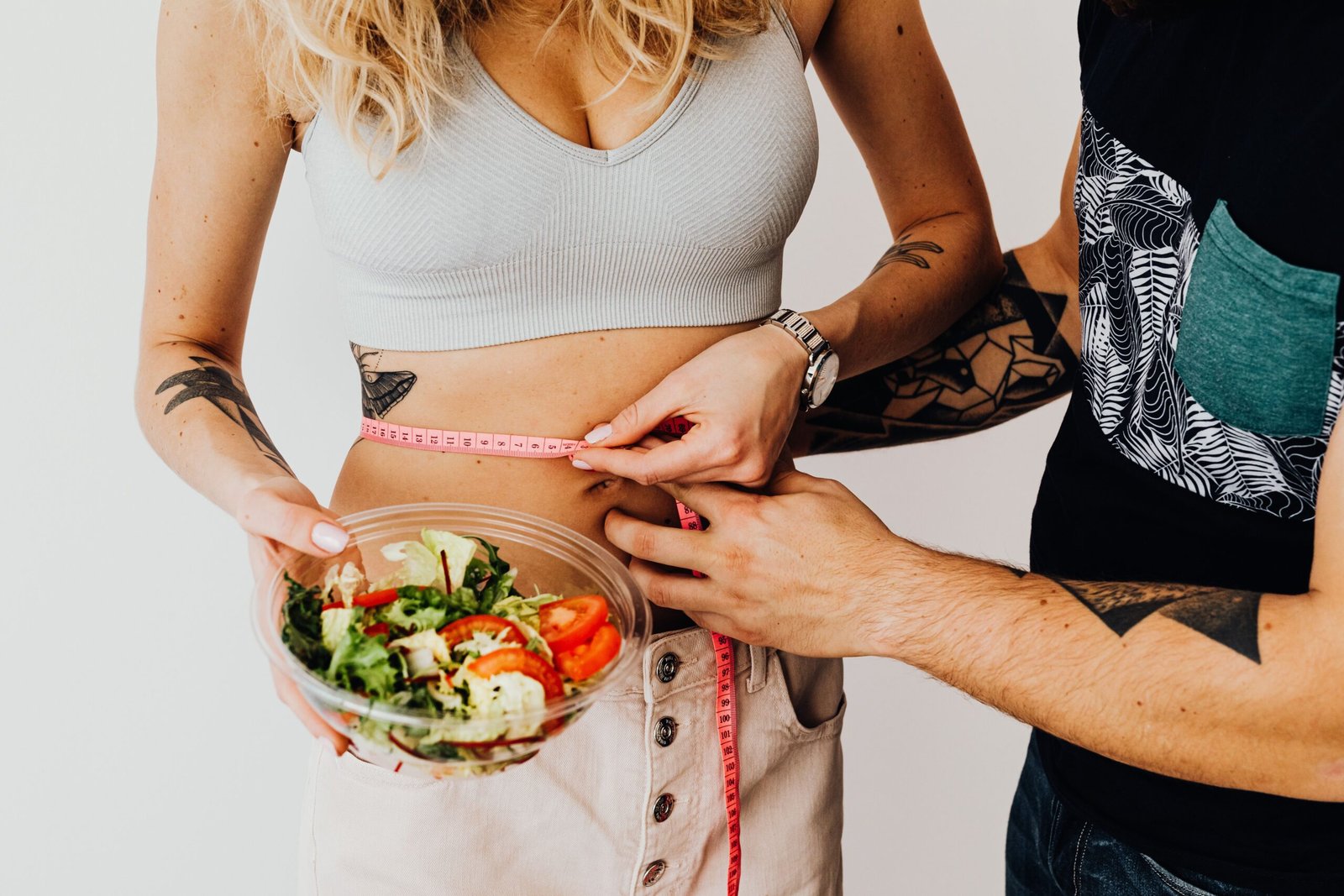
Category: Nutrition & Healthy Diet
Introduction
Losing weight doesn’t require extreme diets, expensive supplements, or skipping meals. The most effective way to achieve and maintain a healthy weight is by following a balanced diet, staying physically active, and adopting sustainable lifestyle habits.
Many people struggle with weight loss because they focus on quick fixes instead of long-term health. While fad diets may promise rapid results, they are often difficult to maintain and can lead to nutritional deficiencies. A healthy weight loss plan should nourish your body while creating a moderate calorie deficit.
This guide explains how to build a healthy weight loss diet, what foods to eat, what to limit, and practical strategies for lasting success.
Understanding Healthy Weight Loss
Healthy weight loss is generally gradual and focuses on improving overall health rather than simply reducing the number on the scale.
Benefits of maintaining a healthy weight include:
- Better heart health
- Improved energy levels
- Lower risk of type 2 diabetes
- Reduced joint stress
- Better sleep quality
- Improved self-confidence
The goal should be long-term lifestyle changes rather than temporary dieting.
Principles of a Healthy Weight Loss Diet
A balanced weight loss diet should include:
- Fresh fruits
- Vegetables
- Whole grains
- Lean protein
- Healthy fats
- Plenty of water
Avoid eliminating entire food groups unless recommended by a healthcare professional.
Best Foods for Healthy Weight Loss
1. Lean Protein
Protein helps you feel full and supports muscle maintenance.
Healthy choices include:
- Chicken breast
- Turkey
- Fish
- Eggs
- Beans
- Lentils
- Tofu
- Greek yogurt
2. Vegetables
Vegetables are naturally low in calories and rich in fiber.
Great options include:
- Spinach
- Broccoli
- Cauliflower
- Carrots
- Bell peppers
- Cucumbers
- Green beans
Fill at least half your plate with vegetables at lunch and dinner.
3. Fruits
Whole fruits provide vitamins, minerals, fiber, and natural sweetness.
Healthy choices include:
- Apples
- Oranges
- Berries
- Pears
- Kiwi
- Grapefruit
Choose whole fruits instead of fruit juices whenever possible.
4. Whole Grains
Whole grains provide long-lasting energy and fiber.
Examples include:
- Brown rice
- Oats
- Quinoa
- Whole wheat bread
- Barley
Replace refined grains with whole-grain alternatives.
5. Healthy Fats
Healthy fats are important for overall health and can increase meal satisfaction.
Good sources include:
- Avocados
- Olive oil
- Almonds
- Walnuts
- Chia seeds
- Flaxseeds
Enjoy these foods in moderation.
Foods to Limit
For effective weight management, reduce your intake of:
- Sugary drinks
- Candy
- Cakes and pastries
- Fried foods
- Fast food
- Highly processed snacks
- Refined carbohydrates
- Excess alcohol
These foods are often high in calories and low in nutritional value.
Portion Control Tips
Managing portion sizes is just as important as choosing healthy foods.
Helpful strategies include:
- Use smaller plates.
- Eat slowly.
- Stop eating when comfortably full.
- Avoid eating directly from large packages.
- Read serving sizes on nutrition labels.
Mindful eating can help prevent overeating.
Stay Hydrated
Drinking enough water supports digestion and overall health.
Tips:
- Drink water before meals.
- Carry a reusable water bottle.
- Replace sugary drinks with water or unsweetened beverages.
Proper hydration may also help manage hunger throughout the day.
Sample One-Day Healthy Meal Plan
Breakfast
- Oatmeal topped with fresh berries
- Boiled egg
- Unsweetened green tea
Morning Snack
- Apple
- Handful of almonds
Lunch
- Grilled chicken breast
- Brown rice
- Steamed broccoli
- Mixed green salad
Afternoon Snack
- Plain Greek yogurt
Dinner
- Baked salmon
- Roasted vegetables
- Small serving of quinoa
Evening Snack (Optional)
- Fresh fruit or a few walnuts
Exercise and Weight Loss
Healthy eating works best when combined with regular physical activity.
Recommended activities include:
- Walking
- Cycling
- Swimming
- Strength training
- Yoga
Aim for at least 150 minutes of moderate exercise each week.
Common Weight Loss Mistakes
Avoid these common mistakes:
- Skipping meals
- Following crash diets
- Drinking sugary beverages
- Eating too quickly
- Ignoring sleep
- Relying on supplements instead of healthy habits
Sustainable progress is more effective than rapid weight loss.
Tips for Long-Term Success
To maintain healthy habits:
- Plan meals in advance.
- Keep healthy snacks available.
- Track your progress.
- Get enough sleep.
- Stay physically active.
- Be patient and consistent.
Weight loss is a journey, not a race.
Conclusion
A healthy weight loss diet is about nourishing your body while creating habits you can maintain for life. By choosing nutrient-rich foods, controlling portions, staying active, and drinking enough water, you can achieve your weight management goals in a safe and sustainable way.